
1. A More Technology-Driven Property Market
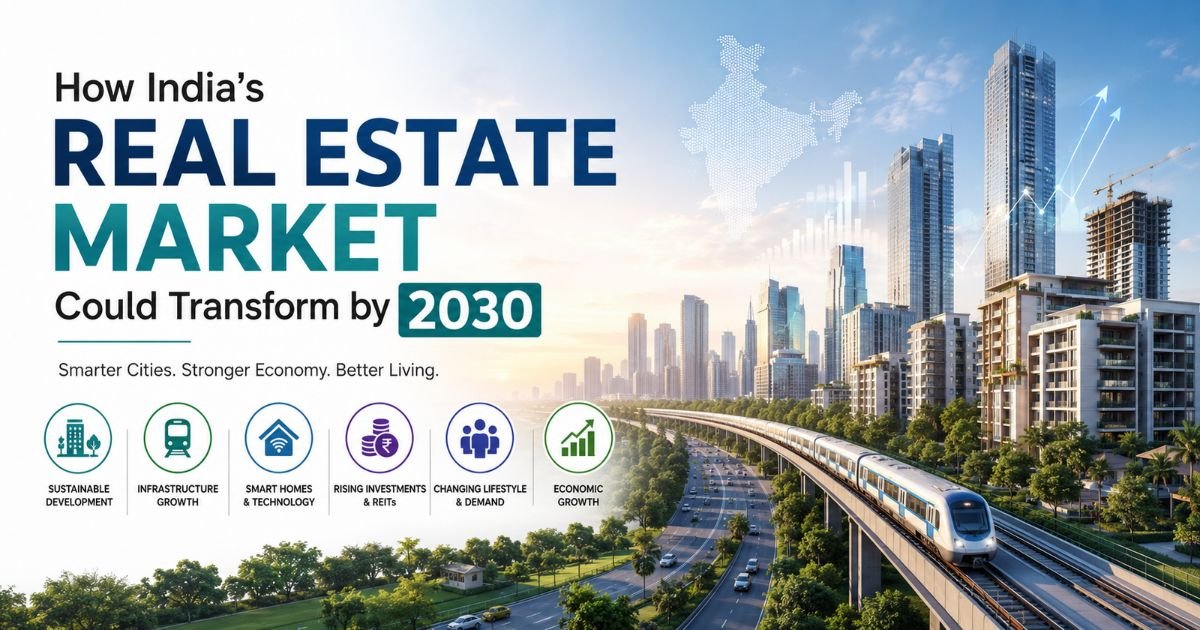
India’s real estate market is expected to become more technology-focused as digital tools become a bigger part of property buying and selling. By 2030, real estate technology, virtual property tours, AI tools, digital transactions, and online property searches could make the home-buying process faster and more convenient. Developers may also use technology to understand buyer preferences and improve project planning.
2. Growing Demand for Better-Designed Homes
Homebuyers are likely to look beyond basic space and location when choosing a property. Smart homes, sustainable housing, premium amenities, energy-efficient buildings, and modern residential projects could become more important by 2030. Buyers may increasingly prefer homes that offer better security, connectivity, green spaces, wellness facilities, and technology-enabled services.
3. Infrastructure Could Shape New Growth Corridors
Large infrastructure projects may continue to influence property prices, residential demand, commercial real estate, and investment opportunities across India. New metro lines, expressways, airports and business districts can improve connectivity between emerging areas and major urban centres. As infrastructure expands, several developing locations may attract new housing projects and commercial developments.
4. Tier-2 Cities and New Investment Opportunities
By 2030, India’s real estate growth may become more spread across major metros and emerging cities. Tier-2 cities, affordable housing, rental property, commercial real estate, and residential investment could receive greater attention as businesses and infrastructure expand beyond traditional property markets. Changing lifestyles, improving connectivity and rising local employment may support demand in selected emerging locations.